Paper clutter is a common challenge in many households. From mail and receipts to school papers and bills, paper can accumulate quickly and take over your living space. Fortunately, reducing paper clutter doesn’t have to be overwhelming. With a few simple habits and practical systems in place, you can keep your home organized and enjoy a clutter-free environment. Here are some straightforward strategies to help you manage and reduce household paper clutter effectively.
Why Paper Clutter Happens
Before tackling paper clutter, it’s helpful to understand why it builds up:
– Daily Inflow: Mail, newspapers, flyers, and school handouts add up every day.
– Inconsistent Sorting: Without a set routine, papers pile up instead of being dealt with promptly.
– Sentimental Attachments: Holding on to children’s artwork, cards, and important documents can cause unnecessary buildup.
– Lack of Storage Solutions: Without dedicated spaces for papers, things get scattered.
Knowing these reasons helps you create habits tailored to your lifestyle.
Step 1: Create a Paper Management Station
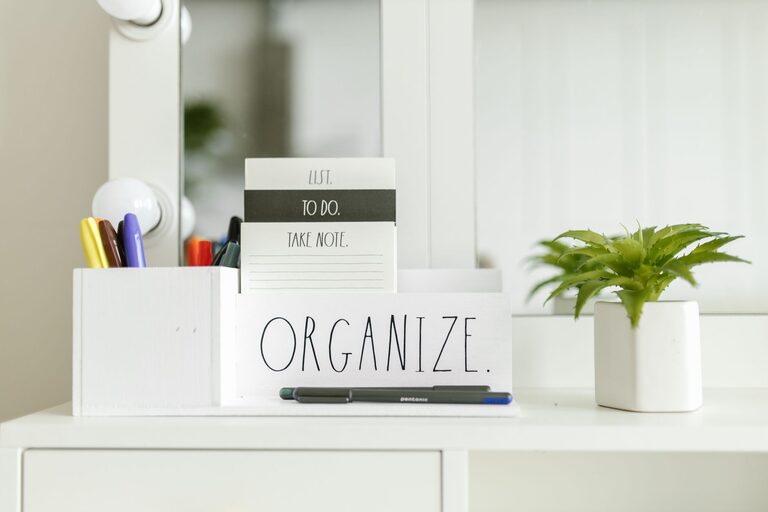
Having a specific area in your home for incoming papers helps control clutter. This could be a small desk, a wall-mounted organizer, or a basket in a common spot like the kitchen or entryway.
What to Include:
– Inbox Tray or Basket: For all incoming mail and documents.
– Sorting Files: Categories such as bills, school papers, coupons, or to-read materials.
– Shredder or Recycling Bin: Right nearby for immediate disposal.
Tips:
– Check this station daily or every other day to avoid a backlog.
– Encourage everyone in the household to use this system.
Step 2: Adopt a Quick Sorting Routine
When you bring mail or papers into your home, sort them immediately instead of setting them aside to deal with later.
Sorting Categories to Consider:
– Action Needed: Bills to pay, forms to fill out, invitations.
– Keep or File: Important documents like warranties, tax papers, or medical records.
– Recycle or Shred: Junk mail, expired coupons, or outdated documents.
Make sorting a part of your daily or weekly routine to stay ahead of clutter.
Step 3: Go Digital Whenever Possible
Reducing physical paper often means shifting to digital alternatives.
Digital Tips:
– Opt for E-Statements and Bills: Many companies offer paperless billing options.
– Scan Important Documents: Use a scanner or mobile scanning app to keep digital copies.
– Use Note-Taking Apps: Replace sticky notes or paper reminders with smartphone apps.
– Store Documents in the Cloud: Services like Google Drive or Dropbox keep files accessible and organized.
Digital alternatives not only save space but also make searching and sharing documents easier.
Step 4: Declutter and Organize Existing Papers
A one-time deep clean can make a big difference in managing paper clutter.
How to Declutter:
- **Set Aside Time:** Dedicate a few hours on a weekend or a day off.
- **Gather All Papers:** Collect papers from around the house.
- **Sort and Categorize:** Use the categories from Step 2.
- **Purge Unnecessary Papers:** Recycle or shred what you no longer need.
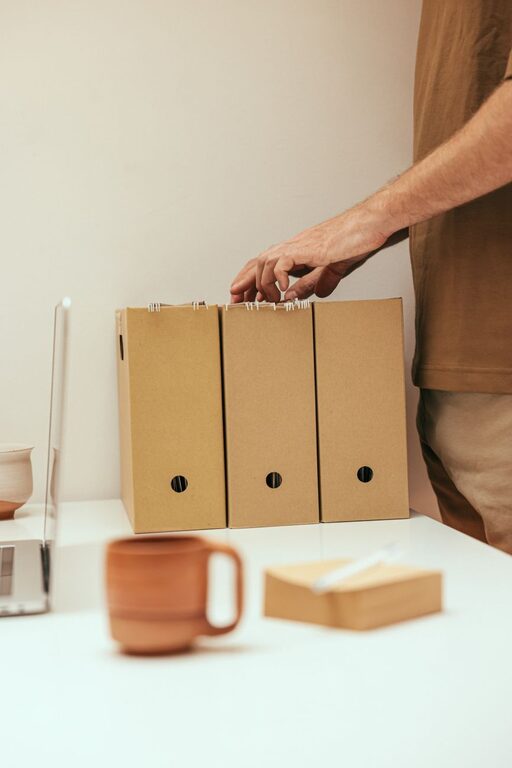
- **File Important Papers:** Use labeled folders, binders, or accordion files.
Organizing Tips:
– Label folders clearly with categories or dates.
– Store files in a filing cabinet, box, or drawer that’s easy to access.
– Regularly review and update your filing system.
Step 5: Manage Kids' Paperwork Mindfully
Children’s artwork, school projects, and papers can create significant clutter.
Strategies:
– Designate a Display Area: Use a bulletin board or string with clips to showcase recent work.
– Rotate Displays: Change out artwork regularly and store or discard the older pieces.
– Create a Memory Box: Save a limited number of special pieces each year.
– Digitize Artwork: Take photos or scan creations to save without keeping the physical copy.
Encourage your children to help with sorting to develop good habits early.
Step 6: Use Paper Efficiently
Being mindful of how you use paper can reduce waste and clutter.
Ideas:
– Only print when necessary.
– Use both sides of a paper sheet when possible.
– Reuse scrap paper for notes or grocery lists.
– Have a designated place for items you’ll return to or work on.
Step 7: Maintain Your System Regularly
Keeping paper clutter under control requires ongoing effort.
Maintenance Tips:
– Schedule a weekly time to sort and file papers.
– Empty your inbox tray regularly.
– Shred sensitive documents right away.
– Reassess your system every few months to make improvements.
By staying consistent, your paper clutter won’t have a chance to build up again.
—
Reducing household paper clutter is all about creating simple, repeatable habits. By setting up a clear system for managing paper, adopting digital tools, and regularly decluttering, you can enjoy a more organized, peaceful home. Start small, stay consistent, and watch your space transform.
About the Author