
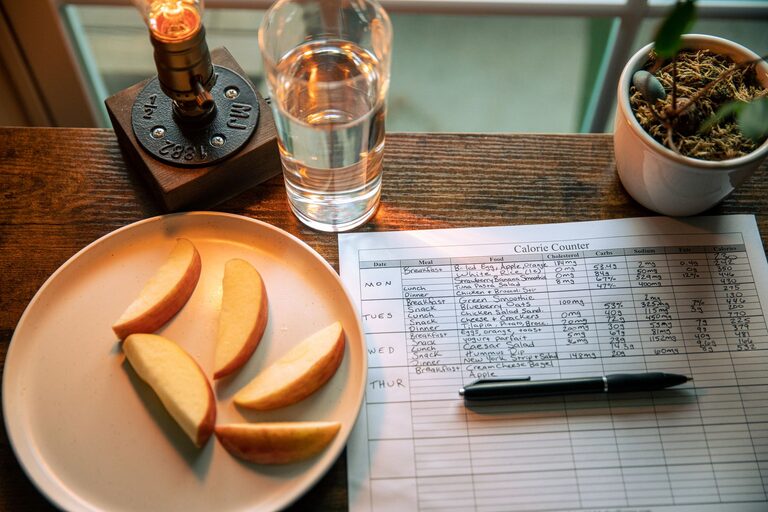
Planning balanced meals doesn’t have to be complicated or stressful. With a few simple strategies, you can create nutritious, satisfying meals that support your health and fit your lifestyle. This guide will walk you through practical tips to plan balanced meals efficiently and enjoyably.
What Are Balanced Meals?
Balanced meals include a variety of food groups that provide essential nutrients your body needs to function well. Typically, a balanced meal consists of:
– Protein: Helps build and repair tissues (chicken, beans, tofu).
– Carbohydrates: Provide energy (whole grains, fruits, vegetables).
– Healthy fats: Support brain and heart health (avocado, nuts, olive oil).
– Fiber: Aids digestion and keeps you full (vegetables, whole grains).
– Vitamins and minerals: Found in colorful fruits and vegetables.
Understanding this structure helps you mix and match foods to create meals that are both tasty and nutritious.
Step 1: Start with a Simple Meal Framework
Rather than reinventing the wheel every day, use a basic framework to plan your meals. For example:
– Half your plate filled with vegetables and fruits
– One-quarter with lean protein
– One-quarter with whole grains or starchy vegetables
– Add a small serving of healthy fats
This visual guideline makes meal creation straightforward and balanced.
Step 2: Plan Ahead with a Weekly Menu
Creating a weekly menu reduces daily decision stress and minimizes food waste. Here’s how to get started:
– Assess your schedule: Identify busy days when quick meals are needed.
– Choose versatile ingredients: Pick foods that work for multiple meals (like chicken, quinoa, spinach).
– Include variety: Rotate different proteins, grains, and vegetables throughout the week.
– Write it down: Use a notebook, app, or calendar to organize your menu.
By having a plan, grocery shopping becomes easier and cooking feels less rushed.
Step 3: Batch Cook and Prep Ingredients
Spend some time once or twice a week preparing ingredients in advance:
– Cook grains and proteins in bulk (brown rice, grilled chicken).
– Wash and chop vegetables for salads or stir-fries.
– Portion snacks like nuts or cut fruit.
Batch cooking saves time during hectic days and encourages healthier choices when you’re ready to eat.
Step 4: Keep Your Pantry and Fridge Stocked with Basics
Having essential ingredients on hand means you can quickly put together balanced meals. Stock items like:
– Whole grains: oats, quinoa, whole wheat pasta
– Canned beans and tomatoes
– Frozen vegetables and fruits
– Healthy oils: olive or avocado oil
– Spices and herbs to add flavor without extra calories
Regularly check your inventory and restock to avoid last-minute trips to the store.
Step 5: Experiment with Simple Recipes
You don’t need to be a gourmet chef to enjoy good meals. Start with quick, simple recipes such as:
– Stir-fry with veggies, tofu, and brown rice
– Baked salmon with roasted sweet potatoes and steamed broccoli
– Whole wheat pasta with tomato sauce and a side salad
– Veggie-packed omelet with whole grain toast
Over time, you’ll find favorite go-to meals that keep things interesting without extra stress.
Step 6: Listen to Your Body
Balanced eating isn’t just about the right foods; it’s also about paying attention to hunger and fullness cues. Eat when you’re hungry, stop when you’re satisfied, and enjoy treats in moderation. This mindful approach helps create a positive relationship with food.
Extra Tips for Stress-Free Meal Planning
– Use leftovers creatively: Turn last night’s dinner into today’s lunch.
– Involve family or roommates: Share meal planning and cooking duties.
– Be flexible: Don’t worry if plans change; adapt meals as needed.
– Stay hydrated: Sometimes thirst feels like hunger.
– Keep it simple: Focus on whole foods rather than complicated recipes.
Conclusion
Planning balanced meals without stress is achievable with the right mindset and tools. By understanding the components of balanced meals, setting up a manageable plan, prepping in advance, and keeping your kitchen stocked, you can enjoy nourishing, delicious food every day. Remember, simplicity and flexibility are key to making meal planning a sustainable and enjoyable part of your routine.
About the Author