
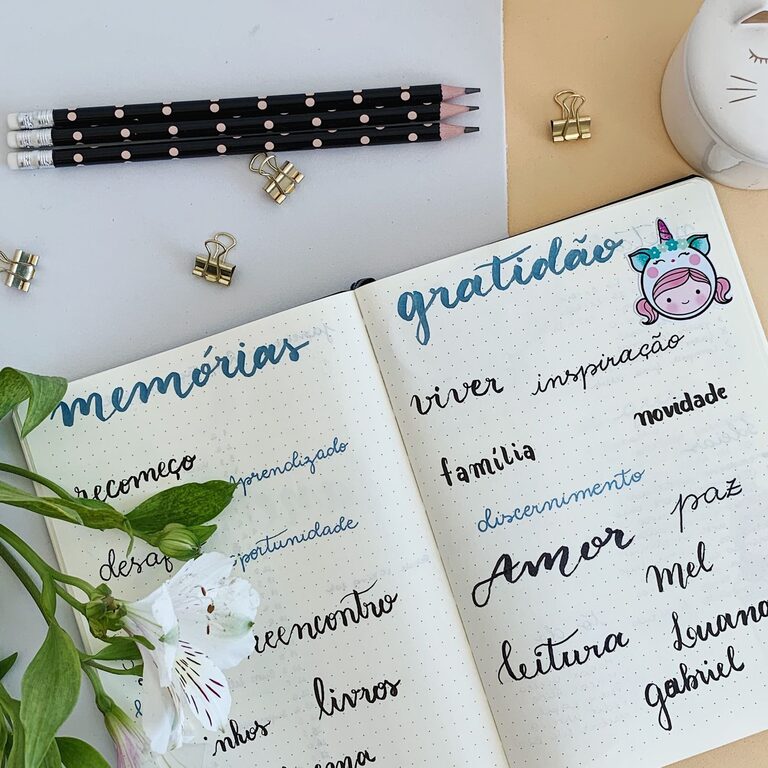
Keeping a gratitude journal is a powerful way to cultivate positivity and improve your overall well-being. By taking a few moments each day to reflect on things you are thankful for, you can shift your focus from what’s lacking to what’s abundant in your life. If you’re new to the idea or wondering how to start, this guide will walk you through the simple steps to create your own gratitude journal and make it a meaningful habit.
What Is a Gratitude Journal?
A gratitude journal is a personal diary where you regularly write down things, experiences, or people you are grateful for. It can be a physical notebook or a digital document—whatever feels convenient and inviting to you.
Journaling gratitude helps nurture a positive mindset, reduce stress, and enhance emotional resilience. When you regularly acknowledge the good in life, it becomes easier to cope with challenges and appreciate everyday moments.
Why Start a Gratitude Journal?
Before diving into how to start, let’s look at some benefits:
– Increases happiness: Focusing on positive aspects can boost your mood.
– Improves sleep: Reflecting on good things before bed can promote restful sleep.
– Strengthens relationships: Recognizing kindness and support helps deepen connections.
– Enhances mindfulness: Journaling encourages being present and aware.
– Reduces stress and anxiety: Gratitude can shift your thoughts from worries to appreciation.
Getting Started: What You Need
You don’t need fancy tools to begin a gratitude journal. Here’s what can help:
– A notebook or journal: Choose one you like, whether blank, lined, or decorated.
– A pen or pencil: Pick something comfortable to write with.
– A quiet space: Find a calm spot where you can focus.
– Regular time: Set a daily or weekly time to write.
Step-by-Step Guide to Starting Your Gratitude Journal
1. Choose Your Medium
Decide if you want a traditional paper journal or prefer a digital option such as a notes app, journaling app, or even a simple document on your computer. Some people find writing by hand more personal and reflective, while others appreciate the convenience of typing.
2. Set a Routine
Consistency is key. Aim to write at the same time each day, such as in the morning to start your day positively, or at night as a calming bedtime ritual. Even 5 minutes a day can make a difference.
3. Write Three to Five Things You’re Grateful For
Start simple. Each day, list a few things you appreciate. They can be big or small, such as:
– A warm cup of coffee
– A kind word from a friend
– A beautiful sunrise
– Good health
– Learning something new
4. Be Specific and Personal
Instead of writing general statements like “I am grateful for my family,” try to be detailed: “I’m grateful for the laughter I shared with my sister today.” Specificity makes your gratitude feel more genuine and meaningful.
5. Reflect on Why You’re Grateful
Take a moment to think about why each item is important to you. This reflection deepens your appreciation and helps you connect emotionally with your gratitude.
6. Include Positive Experiences and Challenges
You don’t have to limit your journal to only happy moments. Sometimes, tough experiences can bring growth or new perspectives that you can be thankful for. Writing about these can foster resilience.
7. Use Prompts if You’re Stuck
If you’re unsure what to write, here are some prompts to get you started:
– What made you smile today?
– Who in your life are you grateful for, and why?
– What is something you often take for granted?
– What is a favorite memory you’re thankful for?
– What challenges have helped you grow?
8. Keep It Private and Judgment-Free
Remember, your gratitude journal is personal. There is no right or wrong way to write it. Allow yourself to express honestly and without pressure.
Tips for Maintaining Your Gratitude Journal Habit
– Keep your journal visible: Place it where you’ll see it daily.
– Set reminders: Use your phone or calendar to prompt writing time.
– Make it enjoyable: Add drawings, stickers, or photos if you like.
– Review past entries: Occasionally reread earlier notes to reinforce positive feelings.
– Be patient: It may take time for gratitude journaling to feel natural.
Common Questions About Gratitude Journaling
How long should each entry be?
There are no strict rules. Your entries can be a few words, a sentence, or a paragraph. The goal is to capture sincere gratitude, not to write a novel.
Can I write multiple times a day?
Yes! Some people find it helpful to jot down gratitude whenever something positive happens. Others prefer a daily summary. Choose what works best for you.
What if I don’t feel grateful some days?
It’s normal to have ups and downs. On difficult days, try to find even one small thing to appreciate, such as having a safe place to rest or enjoying a piece of music.
Final Thoughts
Starting a gratitude journal is a simple yet powerful practice that anyone can incorporate into their life. By setting aside a few moments daily to focus on gratitude, you can nurture a more positive mindset, reduce stress, and foster greater happiness. Remember, it’s not about perfection but about sincere reflection. So grab a notebook, find a quiet place, and begin your journey toward a more grateful life today!
About the Author